
Solar + Battery Installation in Los Angeles, CA
Local Solar Energy Expertise
From coastal Santa Monica to downtown Los Angeles and the diverse neighborhoods beyond, a solar energy contractor in Los Angeles, CA helps homeowners capture reliable, year-round sunshine to power homes and cut grid dependence. Whether your roof sits above Venice's salt air or in the higher-density neighborhoods of Koreatown and Mid-City, solar panel installation handles the permitting maze, structural assessment, and electrical integration so you can focus on energy savings.
This page covers how solar installation works in Los Angeles, what to expect during design and installation, and why local expertise matters when navigating LADBS permits and LADWP interconnection.
How We Work
What's Involved: Five Core Steps
Solar installation in Los Angeles follows a proven sequence: assessment, design, permitting, installation, and activation. Each step is critical for safety compliance and grid interconnection with LADWP.
Roof Assessment
We measure roof condition, sun exposure, and structural load capacity. In Venice and Westwood, we check for prior earthquake repairs. Older Koreatown homes may need foundation analysis.
System Design
We calculate panel count, inverter type, and layout to match your home's electrical load. Structural drawings are created for LADBS review, ensuring compliance with seismic standards.
Permit & Plan Approval
We submit all documents to LADBS online (PCLA). We handle equipment spec sheets, wiring diagrams, and structural calculations. LADWP interconnection paperwork is also prepared.
Physical Installation
Roof mounts are fastened with hurricane-rated fasteners. Panels, inverter, and conduit are installed per plan. Net meter installation by LADWP or contractor is coordinated. Cleanup is thorough.
Final Inspection & PTO
LADBS inspector verifies structural attachment and electrical safety. LADWP inspects grid tie-in and issues Permission to Operate (PTO). System then activates and begins producing power.
Every step is documented. You'll always know what happens next.
Our Services
Solar Panel Installation
Rooftop PV arrays are custom-sized to your home's annual energy use. We select premium panels rated for California coastal salt air (key for Venice and Santa Monica) and seismic zone compliance. Microinverters or string inverters are chosen based on roof layout and electrical panel capacity.
- Multi-year manufacturer warranty on all equipment
- Net metering with LADWP for solar export credits
- Structural analysis for earthquake loads (Northridge code compliance)
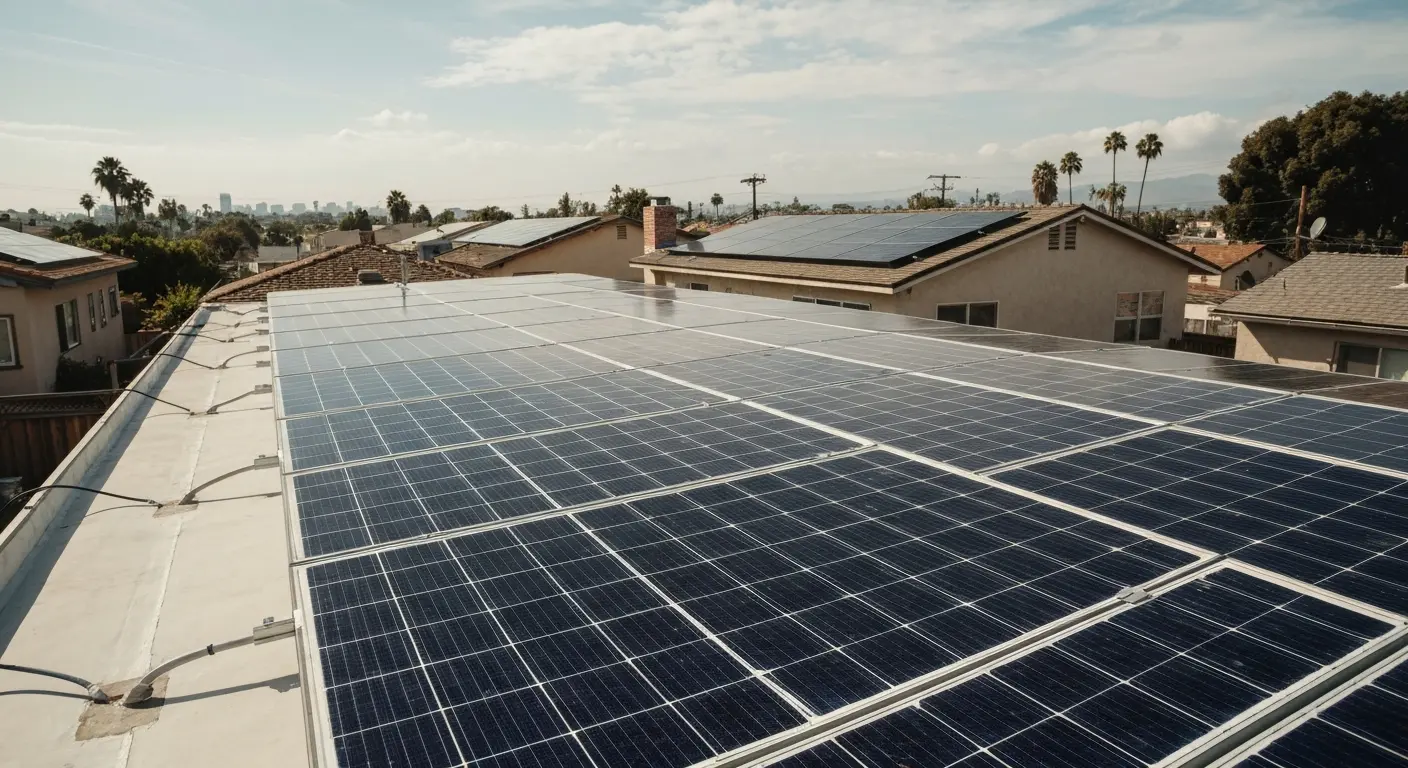
Solar array on mid-city Los Angeles home with clear south-facing roof exposure.
Battery Storage Systems
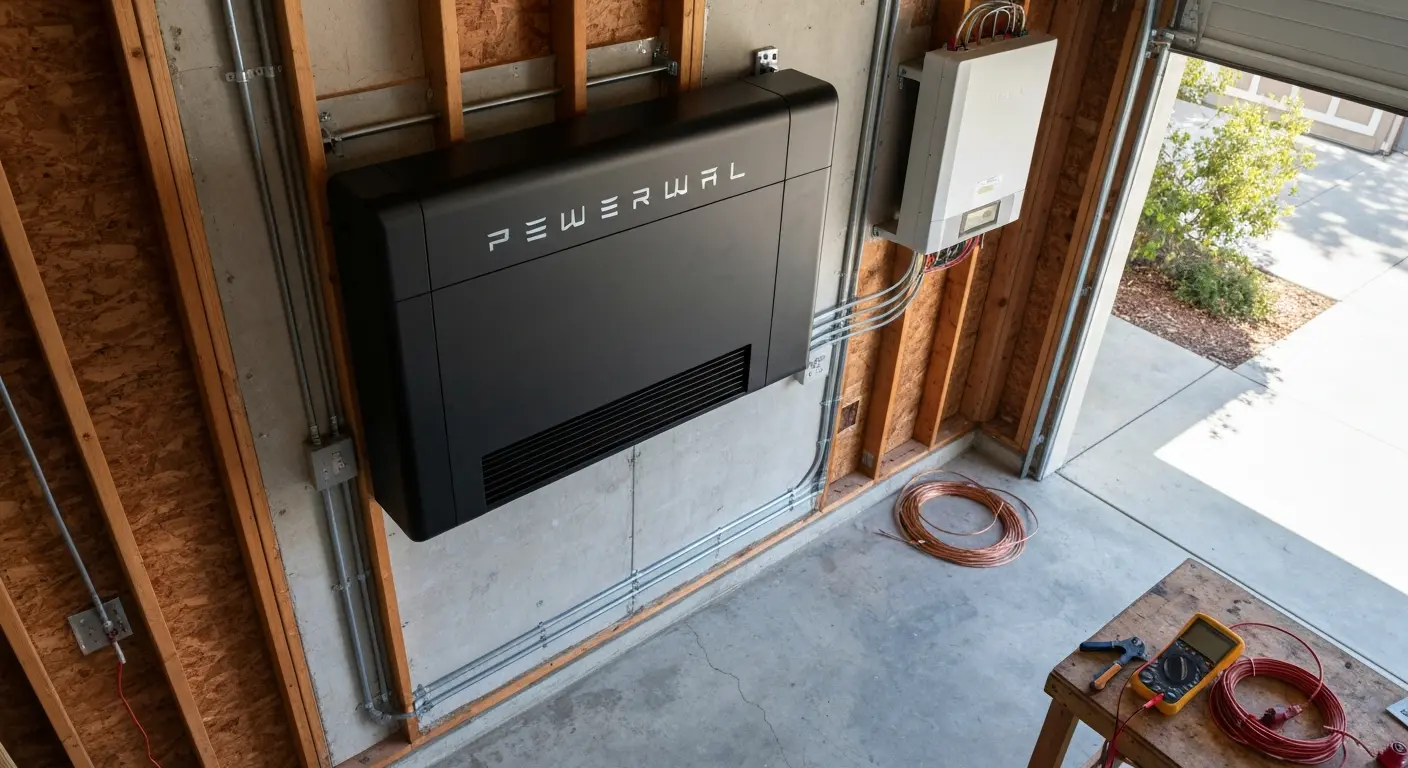
Tesla Powerwall and hybrid inverter installation for backup power and peak-shaving.
Pair your solar system with battery backup to store excess daytime generation for evening use. Key for Santa Monica and coastal areas prone to grid maintenance windows. SGIP state incentives can cover a large share of battery costs for income-qualified households.
- AC-coupled and DC-coupled battery configurations
- Grid services enrollment (demand response programs)
- Backup power during outages and blackout protection
System Design & Consultation
Before any installation, we conduct a thorough solar feasibility study. Roof shade analysis (trees, neighboring buildings) is modeled for 30-year performance. We assess electrical panel upgrades, structural reinforcement, and LADBS compliance early so permitting stays on track.
- Shade mapping and annual production estimates
- Electrical panel capacity and upgrade planning
- Incentive and financing option review
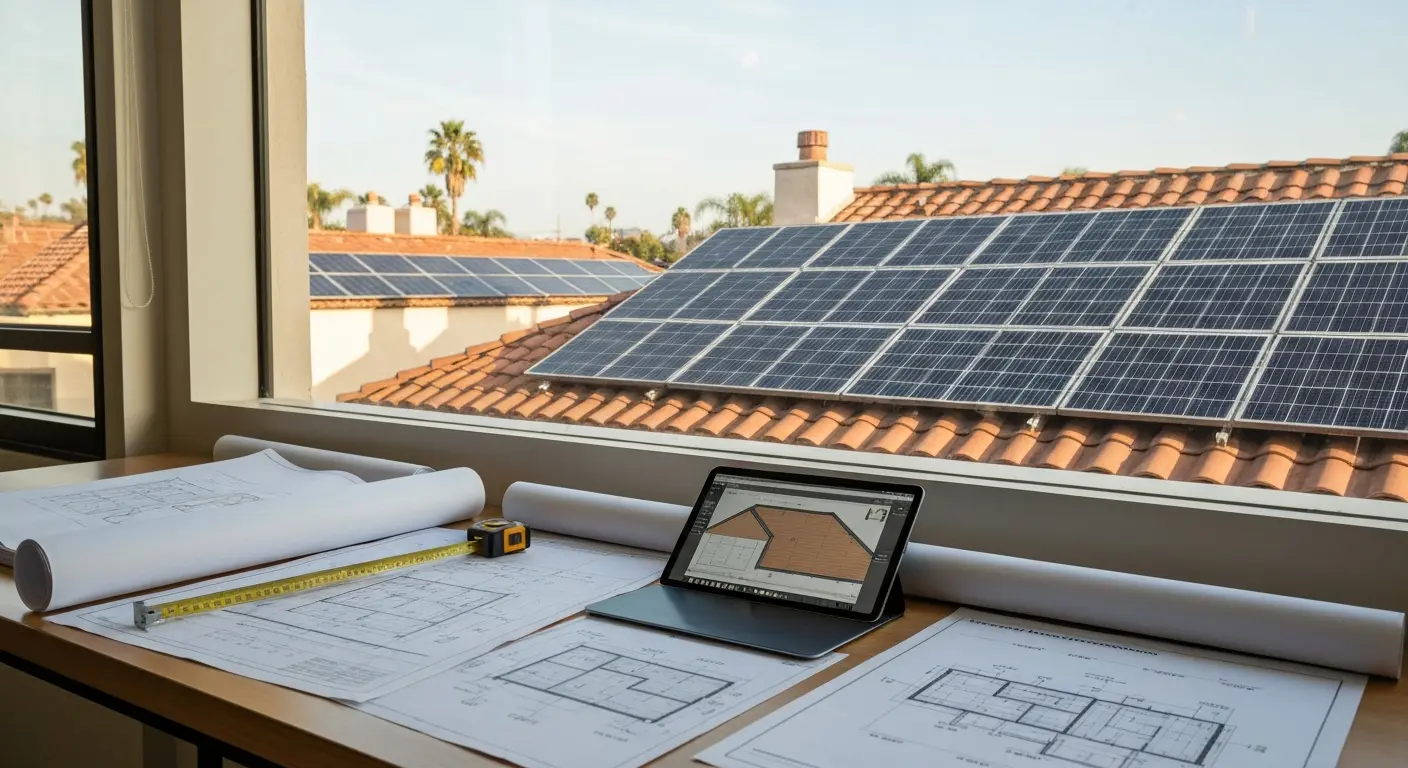
Design consultation in Santa Monica showing roof orientation and panel layout options.
Maintenance & System Monitoring
Solar systems operate silently for 25–40 years with minimal care. We offer annual inspections to check roof penetrations, wiring, and inverter function. Real-time monitoring lets you track production and spot issues early. Coastal systems (Venice, Santa Monica) may need salt-air panel cleaning annually.
Clean panels produce 15–20% more energy. We recommend professional washing every 12–18 months for coastal homes.
Why Local Expertise Matters
Permitting & LADBS Compliance
Los Angeles has some of the nation's strictest solar permitting rules. LADBS requires detailed structural calculations, wind load analysis, and seismic attachment verification. We handle the full application, revisions, and coordination with LADBS inspectors. Expedited permitting for systems under 10 kW is available; we qualify most residential systems.
Permit fees for residential systems range from $100–$500. Incomplete applications get rejected by LADBS, causing costly delays. We get it right the first time.
Rooftop Challenges Across LA Neighborhoods
Every Los Angeles neighborhood has unique roofing constraints. Venice and Santa Monica roofs face salt-air corrosion and must use stainless steel fasteners. Koreatown and Mid-City homes often have older asphalt shingles requiring reinforcement before panel mounting. Beverly Hills properties near fire zones need Class A fire-rated rails. We assess your specific building type and environment upfront.
LADWP Grid Interconnection
After installation, LADWP must inspect and issue Permission to Operate (PTO). We coordinate the utility inspection, handle all interconnection paperwork, and ensure your system is registered for net metering. LADWP customers receive bill credits at the full rate for excess solar export—a key financial advantage in Los Angeles.
Serving Los Angeles & Nearby Areas
We install solar systems across the city—from hillside homes in the Santa Monica Mountains to beach communities along the Pacific. Every Los Angeles address has specific permitting rules and utility requirements. We know LADBS, LADWP, and local fire department standards for your area.
Coastal Areas
Santa Monica, Venice, Malibu: Salt-rated hardware, corrosion-resistant mounting, and high wind-load attachment.
Urban & Central
Koreatown, Echo Park, Los Feliz: Older roofs, closer neighborhoods, tight electrical panels—all assessed before design.
Foothills & Fire Zones
Beverly Hills, Bel Air, Cheviot Hills: Fire-rated materials, clearance zones, CAL FIRE compliance required.
Ready to Go Solar?
Contact us for a free site assessment and custom quote. We'll walk you through options, financing, and incentives specific to your Los Angeles home and utility provider. Your consultation includes shade analysis, roof evaluation, and permitting timeline so you know exactly what to expect.
Frequently Asked Questions
Do I need a permit for solar in Los Angeles?
Yes, LADBS requires a building permit and structural approval for all rooftop solar systems. For systems under 10 kW, expedited permitting is available if the design meets standard criteria. We handle the full permit process and plan review submission.
What are LADWP net metering rates?
LADWP rates are between 19 cents and 38 cents per kilowatt hour, depending on your consumption tier and time of year. You receive bill credits for excess solar sent to the grid at the same rate you pay for grid electricity, making solar a strong financial investment in LA.
How much does a residential solar system cost?
System costs vary by size, roof condition, and electrical panel upgrades. A typical 6–8 kW system for an average Los Angeles home ranges based on local factors. Financing options include loans, leases, and cash. Federal tax credits, SGIP battery rebates, and LADWP programs can significantly reduce upfront costs.
Is my roof suitable for solar?
Most LA roofs with 10+ years of remaining life and south/west-facing exposure are suitable. Tile, shingle, and metal roofs all work. We assess structural integrity, shading from trees and buildings, and any prior damage. If your roof needs replacement first, we coordinate that before solar installation.
Do I qualify for SGIP battery incentives?
A typical 7 kW solar system paired with a 10 kWh battery could receive up to $21,700 for solar and $11,000 for the battery. To qualify, your household income must be at or below 80% of the Area Median Income (AMI), and you must be a residential customer of LADWP. We help you confirm eligibility and apply through an approved installer.
What happens during the final inspection?
LADBS inspects roof attachment, flashing, and electrical wiring to verify compliance with approved plans. LADWP then inspects grid connection, meter placement, and safety disconnects. Once both approve, LADWP issues Permission to Operate (PTO) and activates net metering.
DISCOVER WHAT OUR CUSTOMERS HAVE TO SAY ABOUT US
REVIEWS
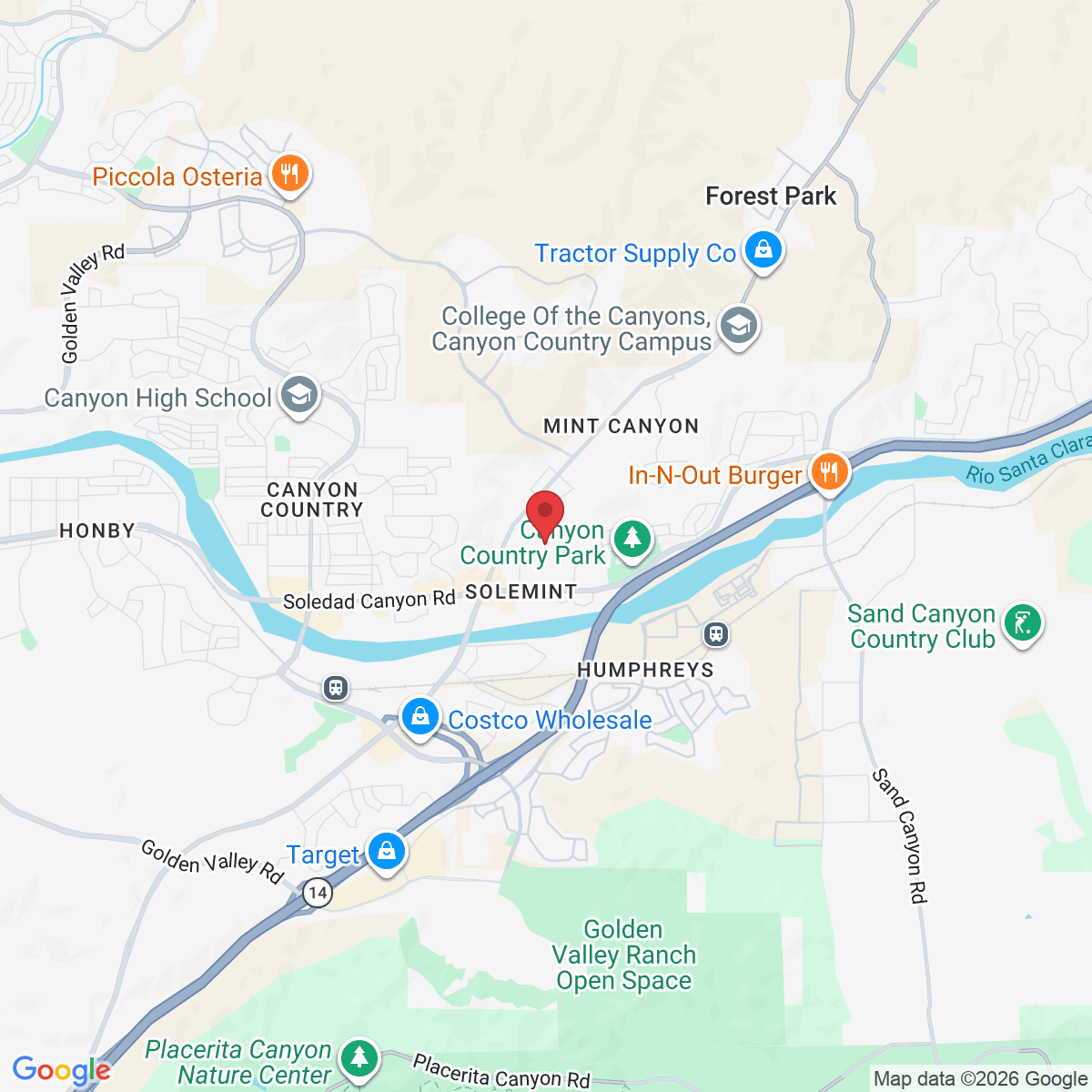
proudly serving these areas
Los Angeles, CA
Canyon Country, CA
Santa Clarita, CA
Palmdale, CA
Lancaster, CA
San Fernando, CA
Simi Valley, CA
Chatsworth, CA
READY TO take the next step?
get a free quote TODAY!
QUICK LINKS
our services
service areas
operating HOURS
Mon: 9:30 am - 6:00 pm
Tue: 9:30 am - 6:00 pm
Wed: 9:30 am - 6:00 pm
Thu: 9:30 am - 6:00 pm
Fri: 9:30 am - 6:00 pm
Sat: 9:30 am - 2:00 pm
Sun: Closed - Closed